
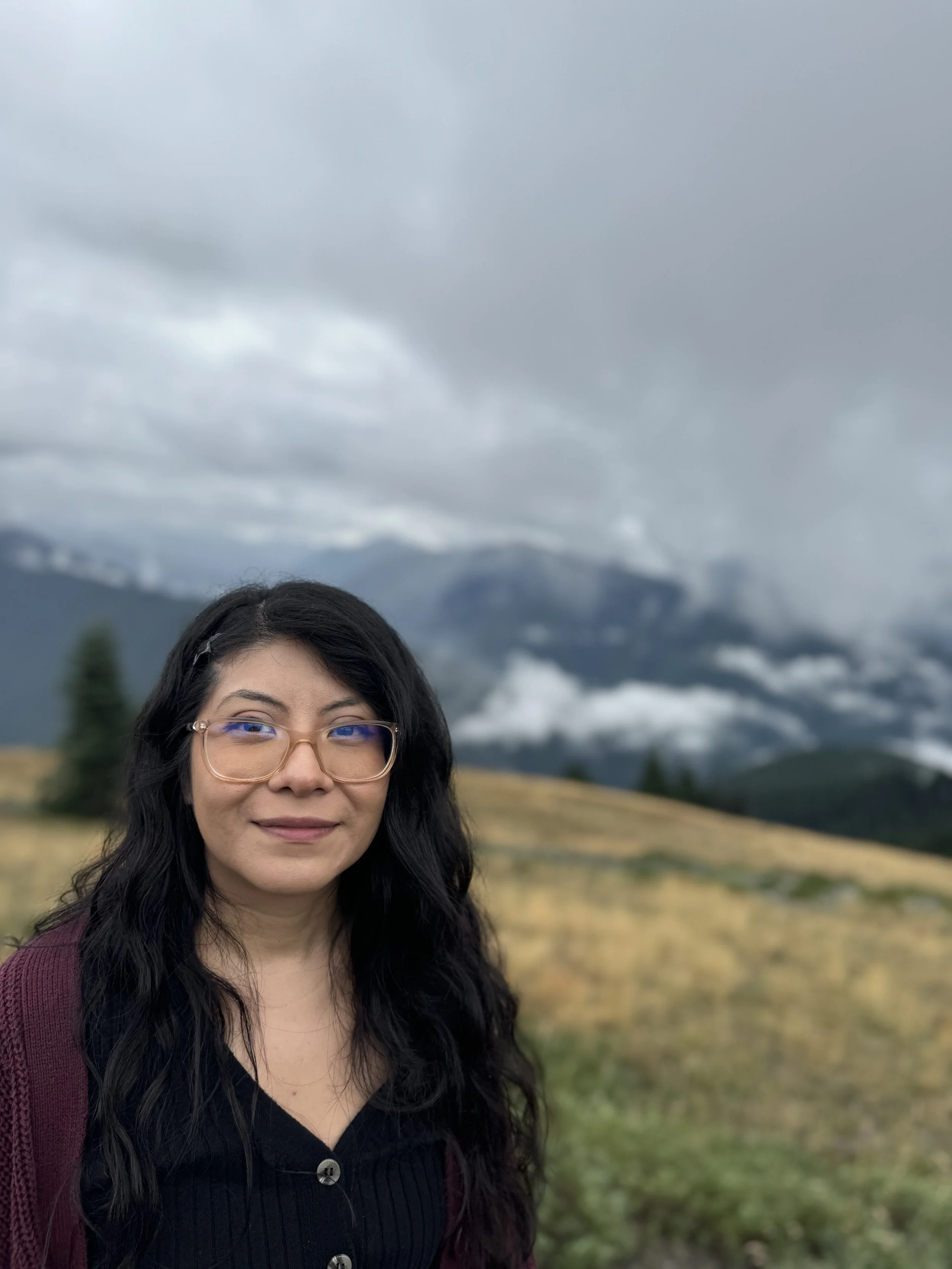
Hi, I’m Erika 👋
Designer, sense-maker, & artist.
I’m drawn to the puzzle solving side of UX. I care about understanding things at a fundamental level and creating shared understanding around why something matters and the value it creates for users and the business. Gathering context, asking clarifying questions, making sense of ambiguity, and grounding decisions in research is where I do my best work. I enjoy connecting the dots, shaping a clear story, and helping teams reach that “oh, that’s what’s really going on” moment.
Once clarity is established, I get excited about the possibilities and collaborate with cross-functional teams to explore solutions. I care deeply about designing with integrity and creating digital experiences that meet people at the right moment. Every design decision should have a clear rationale backed by research, data, and insight.
I’ve designed web and mobile experiences across aviation, healthcare, and consumer platforms, partnering closely with product and engineering teams from discovery through delivery. My focus is always the same: clarify ambiguity, design intuitive and reliable experiences, and help people do their jobs more easily and effectively.
My design journey
Freelance & Professional Development
2025-Current
After Boeing's restructuring, I took a time to travel and spend time with friends and family and have since been using my time for professional development and freelance work. I completed a Professional Certificate in Human-Computer Interaction through Georgia Tech and edX (April 2026), formalizing concepts I'd applied intuitively, particularly around task analysis, and deepening my understanding of how interfaces shape behavior at a societal level.
Alongside that, I've been integrating AI tools into my work across research, synthesis, ideation, documentation, and prototyping, as well as exploring agentic workflows.
User Experience Specialist at Boeing
2022-2025
Aviation was a new domain, and understanding the problem space was essential. I owned UX for specific analytics and training related products within a larger design team, supporting analysts, safety teams, and leadership. Through interviews and synthesis, I clarified user needs and aligned the team around the true purpose of the work, helping shift priorities away from executing requests toward solving the right problems.
That clarity translated into impact. I designed analytics and visualizations that made complex safety data easier to explore and act on, enabling faster decision making and clearer identification of risk areas and performance gaps. I also worked on training and grading workflows, produced functional specifications, and contributed to design standards that reduced ambiguity across design and engineering. Alongside this, I collaborated in Boeing’s AI Working Group to explore AI supported UX and establish early guidelines, while independently investigating AI-driven search and discovery for analytics.
Agency Senior UX Designer at Merkle
2021-2022
Agency work pushed me into fast, high-stakes environments with demanding clients and complex ecosystems. I owned end to end UX for multiple client engagements at once, primarily focused on e-commerce and transactional experiences for both web and native apps. My work spanned consumer brands and utilities, requiring clear rationale, justified decisions, and close collaboration across design, engineering, and stakeholders.
That pace and accountability sharpened my ability to design systems meant to scale and be handed off. I worked extensively within the Focus Brands ecosystem, supporting experiences across brands like Cinnabon, Jamba, Auntie Anne’s, and Schlotzsky’s, where designs needed to be precise, well documented, and maintainable by external teams. This experience emphasized the importance of detailed documentation, clear design rationale, and building systems developers could inherit and evolve.
UX Team Lead at OPIE Software
2020-2021
OPIE built patient management software for orthotic and prosthetic practices, supporting everything from patient check-in and scheduling to insurance processing and tracking care throughout the device delivery cycle.
Stepping into the lead role meant design work had grown beyond what I could manage alone, so I led the hiring and interviewing process of bringing on additional designers. My focus wasn’t just executing design work, but enabling it across a team. I onboarded new designers, mentored them through our design and product lifecycle, and delegated work while providing direction and feedback. I established onboarding plans that helped designers understand our design system, the O&P domain, our users' workflows, and how design decisions connected to business goals.
I also built and maintained our component library, creating design standards that the team could build on, establishing shared language and reducing ambiguity between design, product, and engineering.
This role showed me how my drive to make things better could create real change in the product and across the entire organization. By building a design team and empowering others to champion user-centered thinking, we worked together to create a product that actually supported O&P practices, giving them more time to focus on patients rather than tools.
First UX Designer at OPIE Software
2018-2020
This role marked the shift from contributing to code to owning the design of a healthcare system by establishing design thinking as a core part of product lifecycle. I conducted usability testing and user interviews, and analyzed support tickets to identify where users were struggling or requesting improvements. The legacy system was complex, dense, and often packed with many options in a single view, requiring extensive training. I focused on reducing that complexity and designing intuitive interfaces that were easier to use and navigate.
That approach drove a cultural shift. I used bi-weekly all-hands meetings to talk about UX and its value to users and the business, and why user-centered thinking mattered. I started working ahead of development, designing workflows, testing with users, and collaborating with engineers to ensure feasibility. I brought designs into sprint planning with clear documentation of states and requirements, which made development smoother and reduced back-and-forth during implementation. We started building a product that would actually help users do their jobs and spend more time focusing on their patients.
Front-End Developer at OPIE Software
2017-2018
When I joined as a front-end developer, the company was migrating from a legacy desktop application to a responsive web platform, but approaching it as a 1-1 rebuild. We were recreating the old system without questioning whether it actually worked for users.
Coming from a graphic design background, I began thinking about hierarchy, visual layout, and how we could actually make things easier for users instead of just making things responsive. That led me to exploring better ways of doing things and designing improvements on my own time, and bringing those designs and ideas to sprint planning. And that was the start of my transition to the very first UX designer at OPIE.
Learning to code
2016-2017
Completed a coding bootcamp and worked with a real client, gaining early exposure to development workflows.
Freelance Graphic Designer
2014-2016
Designed branding, posters, brochures, and other marketing materials for small businesses online.
Graphic Design formal education
2009-2013
Trained in typography, layout, and visual systems through formal design education (AA Graphic Design).
Turning creativity into client work
2006-2008
Created and sold custom digital portraits online, learning early client communication.
Discovering visual design through online communities
2005-2006
Taught myself Photoshop and Illustration and started designing graphics for online gaming teams.
Outside of work
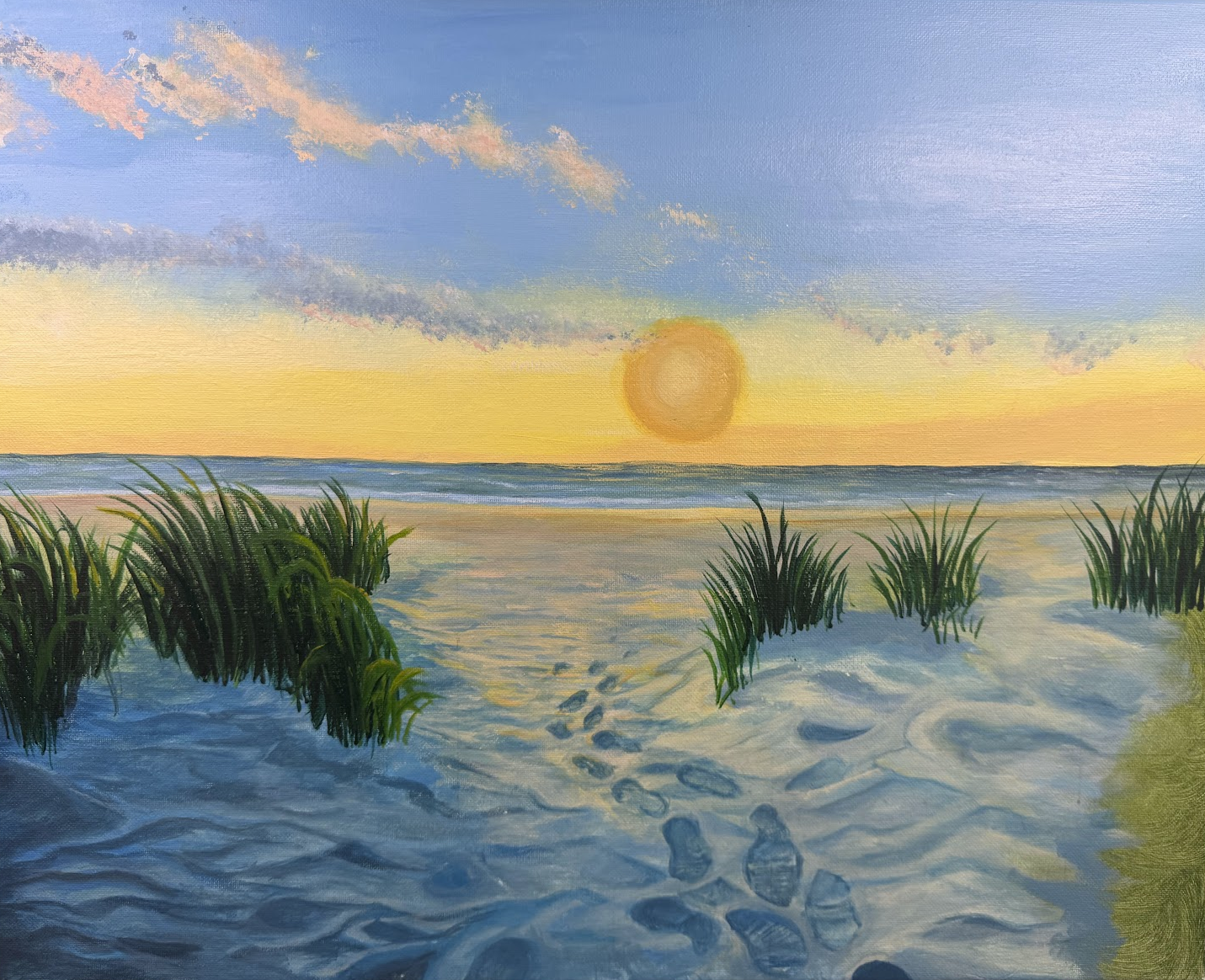
Outside of design, I’m usually exploring something, creatively or out in the world. I paint, stargaze, and spend a lot of time in nature, whether that’s long walks, kayaking, or camping. These moments slow me down, sharpen my observation, and are often where my best thinking happens.
I’m drawn to experiences and ideas that shift perspective. New places, sci-fi, cosmic horror, and music all reflect the same curiosity that drives my work: questioning assumptions, staying curious, and finding meaning through design.


View My Work
Joined as a developer, became the first UX designer, and redesigned 20+ clinical workflow areas for a point-of-care healthcare platform serving 1,700+ orthotics and prosthetics practices worldwide.
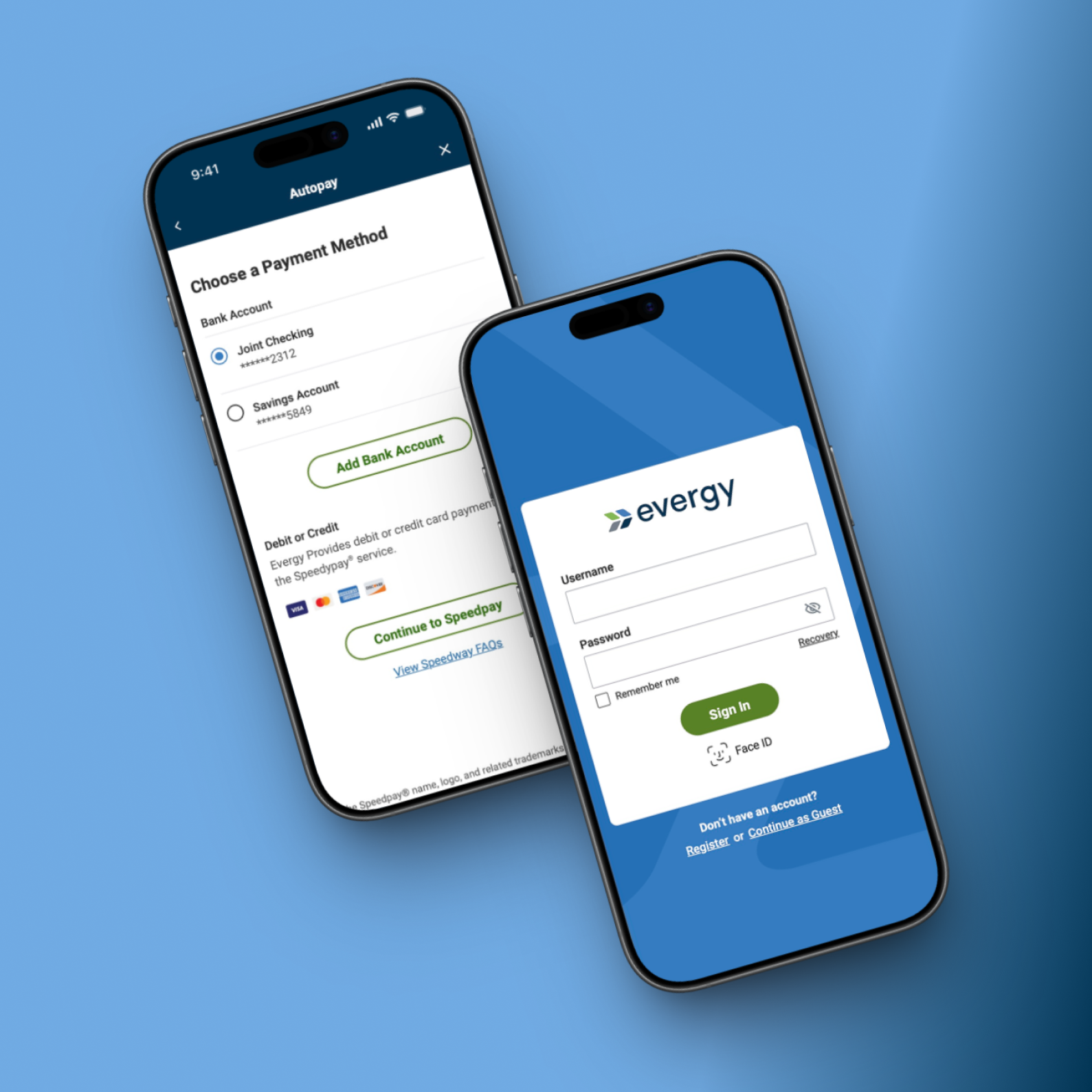
Designing a scalable native utility platform supporting multi-account management, billing, outage reporting, and high volume self-service workflows critical to payments and service continuity.
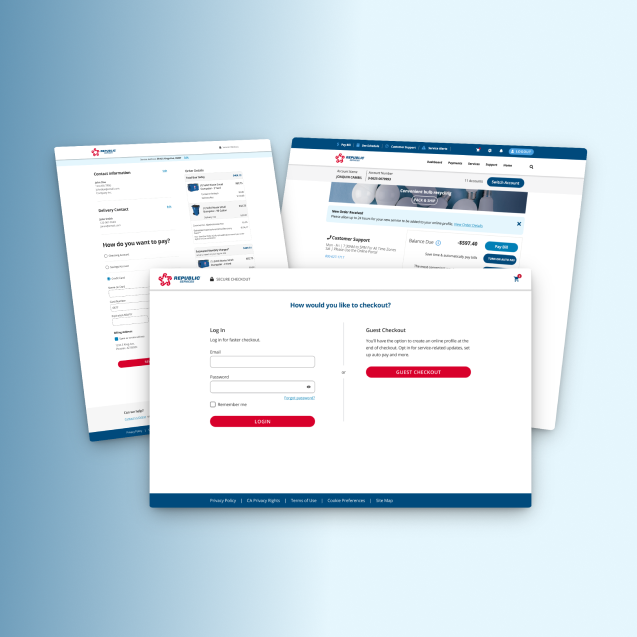
Redesigning a multi-step, service-based checkout to clarify scheduling, pricing, and order details, reducing friction and increasing user confidence at purchase.